Marigolds And Cucumbers: The Perfect Companion Planting
Marigolds and Cucumbers: The Perfect Companion Planting
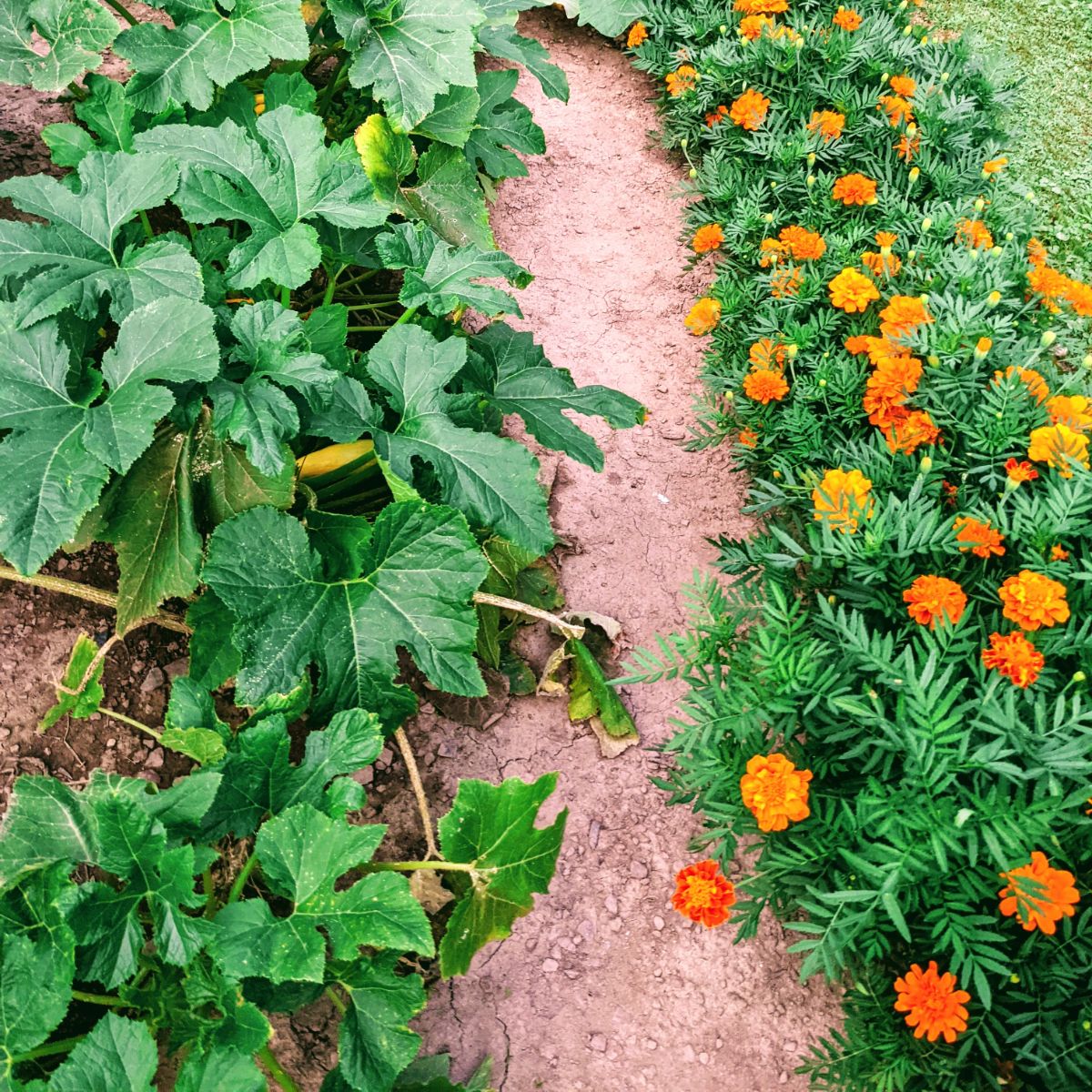
Cucumbers and marigolds are two popular garden plants that can benefit each other in a number of ways. Marigolds help to repel pests that can damage cucumber plants, while cucumbers provide shade and support for marigolds. When grown together, these two plants can help to create a more productive and pest-free garden.
How Marigolds Help Cucumbers
Marigolds are known for their insect-repelling properties. The strong scent of their flowers can deter a variety of pests, including aphids, whiteflies, beetles, and squash bugs. These pests can be a major problem for cucumber plants, so planting marigolds nearby can help to protect your crop.
In addition to repelling pests, marigolds can also attract beneficial insects, such as ladybugs and parasitic wasps. These insects prey on pests, helping to keep them in check. As a result, planting marigolds can help to create a more balanced ecosystem in your garden, which can benefit all of your plants.
How Cucumbers Help Marigolds
Cucumber plants can provide shade and support for marigolds. Marigolds are relatively short plants, and they can benefit from the shade of taller plants like cucumbers. Cucumber plants can also provide support for marigolds, as their vines can be used to trellis the marigolds. This can help to keep the marigolds upright and prevent them from being damaged by wind or rain.
Growing Marigolds and Cucumbers Together
Marigolds and cucumbers can be grown together in a variety of ways. They can be planted in the same bed, or they can be planted in separate beds but near each other. If you are planting them in the same bed, it is important to space them out appropriately. Marigolds need about 12 inches of space, while cucumbers need about 24 inches of space.
You can also plant marigolds around the edge of a cucumber bed. This will help to create a barrier between the cucumbers and pests. Marigolds can also be planted in containers. If you are planting them in containers, choose a container that is at least 12 inches deep and wide.
Caring for Marigolds and Cucumbers
Marigolds and cucumbers have similar care requirements. They both need full sun and well-drained soil. They should be watered regularly, especially during hot, dry weather. Marigolds and cucumbers are also both susceptible to pests and diseases, so it is important to inspect them regularly and take steps to control any problems that you see.
Conclusion
Marigolds and cucumbers are a great combination for companion planting. Marigolds help to repel pests that can damage cucumber plants, while cucumbers provide shade and support for marigolds. When grown together, these two plants can help to create a more productive and pest-free garden.
Marigolds and cucumbers are two popular garden plants that can be grown together to benefit each other. Marigolds help to repel pests, such as aphids and whiteflies, that can damage cucumbers. Cucumbers, in turn, provide support for marigolds to climb.
If you are interested in learning more about growing marigolds and cucumbers together, I recommend visiting Garden Wiki. This website has a wealth of information on the topic, including planting tips, pest control advice, and recipes for using marigolds and cucumbers in the kitchen.
FAQ of marigolds and cucumbers
5 Most Frequently Asked Questions About Marigolds and Cucumbers
- Q: What are the benefits of planting marigolds with cucumbers?
A: Marigolds are known for their insect-repelling properties. They can help to deter pests such as aphids, whiteflies, and cucumber beetles, which can damage cucumber plants. Marigolds can also help to improve the overall health of cucumber plants by attracting beneficial insects such as ladybugs and lacewings, which prey on cucumber pests.
- Q: What are the ideal planting conditions for marigolds and cucumbers?
A: Marigolds and cucumbers prefer full sun and well-drained soil. They can be grown in a variety of soil types, but they prefer soil that is slightly acidic. Marigolds and cucumbers are both relatively drought-tolerant, but they will benefit from regular watering, especially during hot, dry weather.
- Q: How should I care for marigolds and cucumbers?
A: Marigolds and cucumbers need to be watered regularly, especially during hot, dry weather. They should also be fertilized every few weeks with a balanced fertilizer. Marigolds and cucumbers may need to be staked if they start to grow tall.
- Q: How can I prevent pests and diseases in marigolds and cucumbers?
A: Marigolds can help to deter pests and diseases in cucumbers. You can also help to prevent pests and diseases by regularly inspecting your plants for signs of problems. If you do see pests or diseases, you can treat them with insecticidal soap, neem oil, or other organic pesticides.
- Q: When is the best time to harvest marigolds and cucumbers?
A: Marigolds and cucumbers are both ready to harvest when they are ripe. Marigolds are typically ready to harvest about 6-8 weeks after planting. Cucumbers are typically ready to harvest about 60-70 days after planting.
Image of marigolds and cucumbers
5 different images of marigolds and cucumbers from Pinterest:
- A row of marigolds and cucumbers growing in a garden. The marigolds are tall and bright orange, and the cucumbers are green and growing in a spiral pattern.
- A close-up of a marigold flower and a cucumber. The marigold flower is yellow with orange petals, and the cucumber is green and has small spines.
- A vase of marigolds and cucumbers. The marigolds are in full bloom, and the cucumbers are fresh and green.

- A bowl of marigold and cucumber salad. The salad is made with cucumbers, marigold petals, and a light vinaigrette dressing.

- A plate of marigold and cucumber sandwiches. The sandwiches are made with white bread, cucumber slices, marigold petals, and mayonnaise.


Post a Comment for "Marigolds And Cucumbers: The Perfect Companion Planting"